
Water Heater or Fridge Die Before Winter? Appliance Removal Timing for Metro Vancouver Homes
Late September and early October are when a lot of Metro Vancouver kitchens and laundry rooms stop pretending the old unit will “make it through winter.” The fridge starts cycling oddly. The washer leaves a puddle. The water heater runs out of hot water faster than it used to. Replacements get ordered — and the dead appliance sits in a hallway, garage, or side yard waiting for a plan.
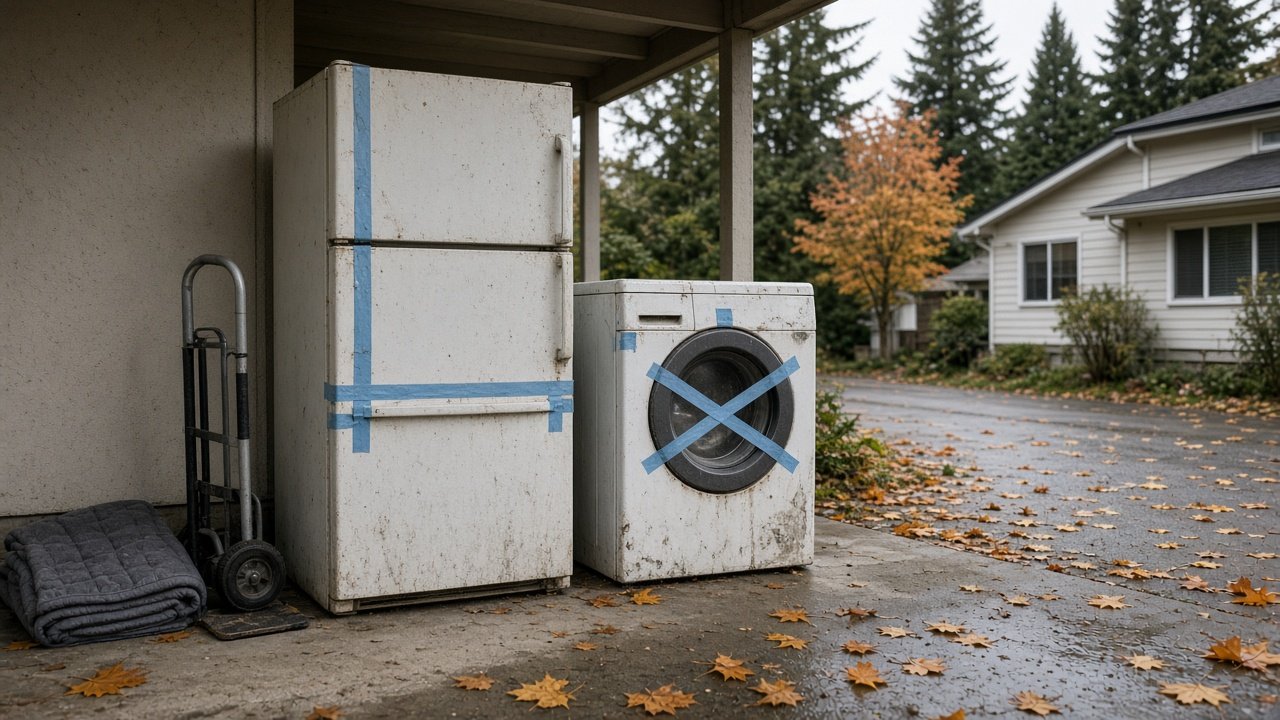
That wait gets harder once the wet season settles in. Metal rusts faster outdoors. Cardboard packaging from the new unit soaks. Basement and garage floors stay damp. A dry afternoon for staging and pickup is still available now; November curb piles are not the same job.
This is not the full evergreen walkthrough in how to dispose of appliances in Vancouver. That post covers the year-round options. This one is the fall timing plan: what fails before winter, how to prep disconnects and staging, and how to book appliance disposal before rain owns the driveway.
Why appliances fail — and pile up — before winter
Homes from Vancouver through Burnaby, Surrey, Richmond, Coquitlam, Langley, and the wider Fraser Valley share the same pattern: cooler, wetter weeks arrive while households are still finishing summer projects and holiday hosting prep.
Fall appliance hauls usually start for ordinary reasons:
None of that needs a whole-house declutter. It needs one clear haul of the units that are leaving — while you can still stage them dry and keep stairs safe.
What usually leaves in a pre-winter appliance load
Think hard goods that plug in, heat water, or cool food — not leaf bags or mattresses.
Kitchen failures
Pair those with appliance disposal when the kitchen is the main job, or fold them into residential junk removal when cabinets, packaging, and mixed junk ride along.
Laundry and utility
Metal-heavy loads can also connect to scrap metal removal when the pile is mostly appliance and pipe — but start with the appliance path when refrigerants and recycling handling matter.
What this post is not about
Keep these stacks separate so the haul stays clean and fast:
You can combine loads when it helps, but decide the primary pile first: failed appliance swap vs garage winter prep vs reno debris.
Prep rules that keep pickup day smooth
Appliances are heavy, awkward, and sometimes still connected. A little prep before the truck arrives saves stairs, spills, and reschedules.
Empty, thaw, and clear the path
1. Empty fridges and freezers of food before pickup — spills during a stair carry are nobody’s favorite surprise
2. Defrost freezers ahead of time when you can, so meltwater is not riding down the hallway
3. Clear the path from the unit to the door: shoes, recycling bins, holiday boxes that just appeared
4. Reserve elevators / unlock gates in condos and townhomes before the crew arrives
5. Photograph the appliance and access for a quote so volume and stairs are honest from the start
Wet lawns and slick decks slow every carry. If the forecast shows a dry window this week, use it for curb or driveway staging — or keep the unit indoors until the truck is outside.
Gas, water, and built-ins
Safety first — do not improvise gas or hard-plumbed disconnects.
When something is still connected or built-in, put it in the quote notes instead of hoping it “just lifts out.”
Single appliance vs kitchen/laundry clearout
Match the booking to the pile:
Quotes depend on appliance type, quantity, access, and whether refrigerant recovery or careful disconnection is needed. Pricing depends on the specifics of your pile and property — use Get a Free Quote instead of guessing from someone else’s list.
A practical fall countdown (before wet weather owns the driveway)
You do not need a month-long project. Work from the day the unit fails or the replacement is ordered.
Day of failure — stabilize and quote
Staging day — keep metal dry
Pickup window — finish, don’t add chaos
Late September and early October are still the window when driveway staging is realistic. Once sustained rains settle in, every outdoor minute costs more effort — and more risk to floors, packaging, and anyone carrying a wet metal box.
Responsible recycling without the guesswork
Old appliances are not “just junk.” Metals can be recovered. Refrigerants need proper handling. That is why a professional appliance disposal path beats a curb pile that sits through a week of rain.
For the broader how-to (what to empty, what to expect on pickup day, and common appliance types), keep how to dispose of appliances in Vancouver bookmarked — then come back to timing: get the failed unit out before wet weather turns a one-hour haul into a soggy weekend project.
If your pile is mostly metal from a reno or utility swap, scrap metal removal for appliances and renovation debris explains that angle. For a household fridge or laundry failure, stay on the appliance booking path.
Specialty flags before pickup day
Call these out when you book:
Clear flags make the load faster and safer. When you are unsure, put it in the quote notes.
Ready to clear the failed unit before winter?
If the dead fridge is still blocking the kitchen, the washer is living on the porch, or the old water heater is waiting in the basement for “a dry weekend,” finish the swap while Metro Vancouver still gives you a workable afternoon.
Get a Free Quote — or call (604) 358-2328.
Go Junk Go serves Metro Vancouver and the Fraser Valley with appliance disposal, single-item pickup, same-day junk removal when scheduling allows, and residential junk removal when your pre-winter clearout is more than one unit. Email info@gojunkgo.ca if calling is harder.
Ready to Get Started?
Contact GoJunkGo today for professional junk removal services in Vancouver. We're here to make your cleanup easy and eco-friendly.
Get A Free QuoteRelated Articles
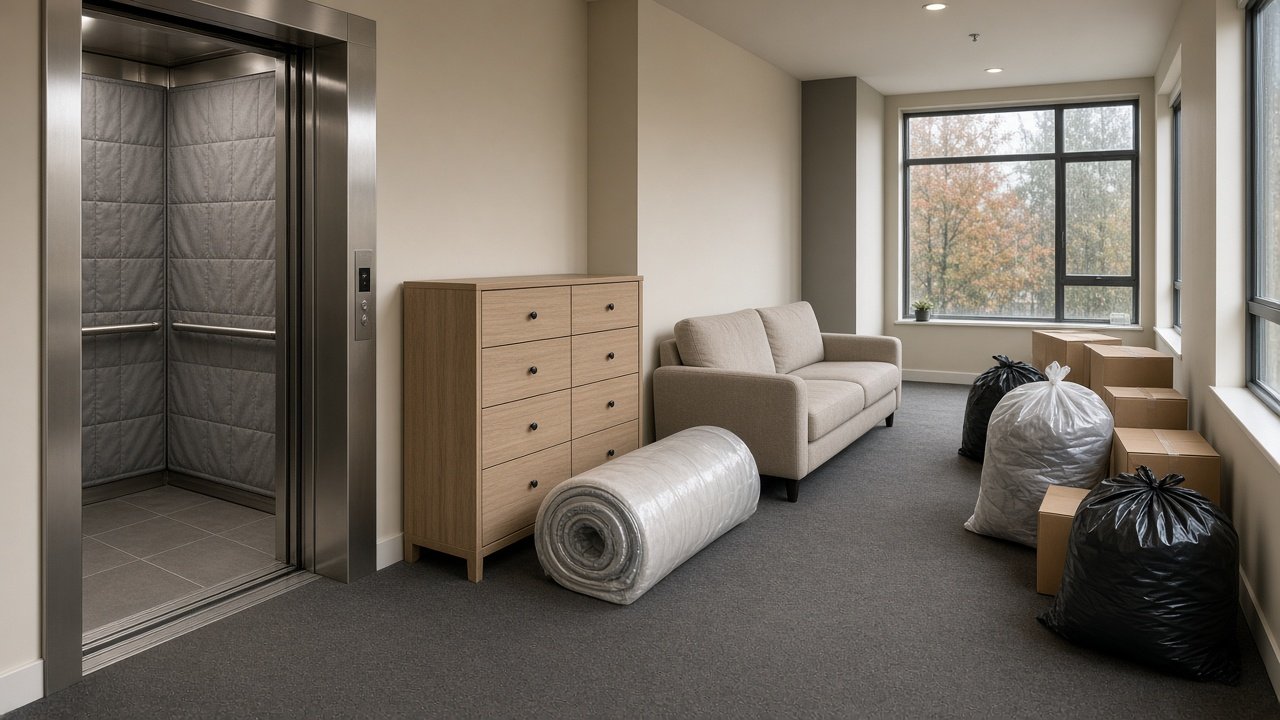
Late-September Lease Ends: Apartment Move-Out Junk Pickup Before the Rains Hit Metro Vancouver
Late-September lease turnover? Clear mattresses, furniture, and leftover junk before Metro Vancouver rains — elevator booking tips, deposit timing, and pickup options.
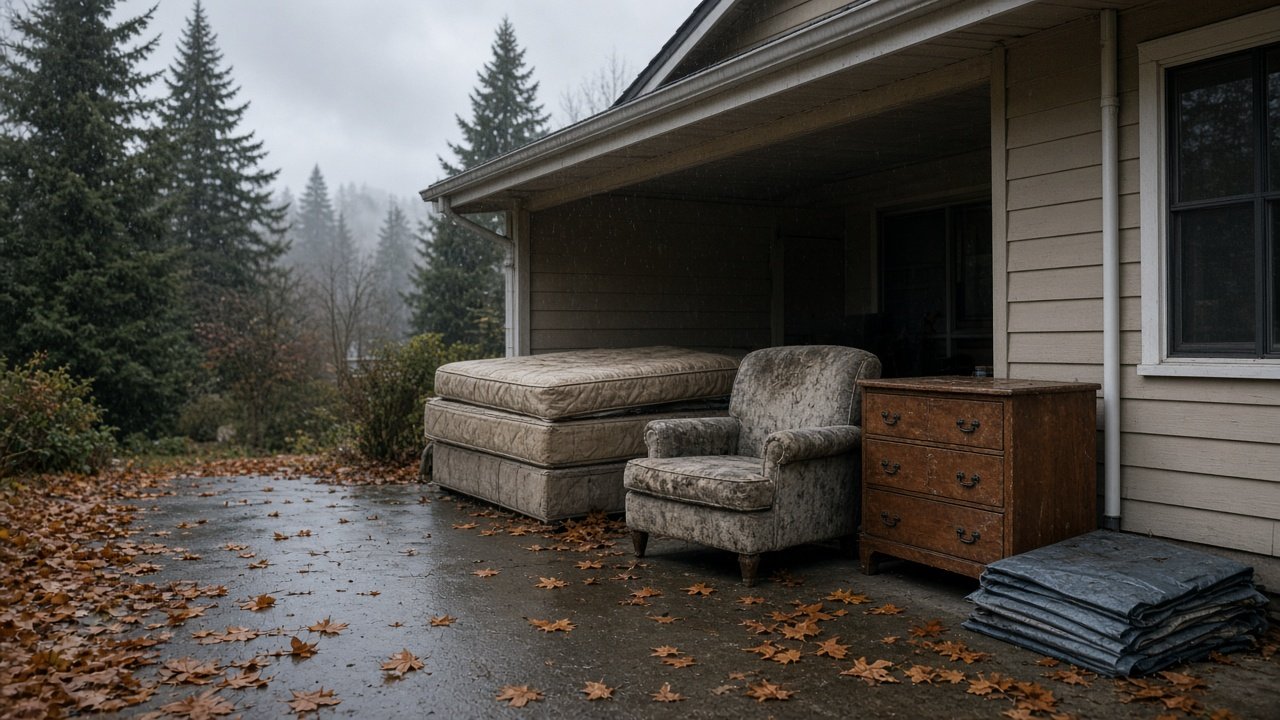
Swap Mattresses Before the Damp Season: Fall Furniture Haul Tips for Metro Vancouver
Swap old mattresses and bulky furniture before Metro Vancouver’s damp season. Fall haul tips for staging, pickup, and keeping foam and fabric out of the rain.

Hosting Thanksgiving or Friendsgiving? A Pre-Holiday Declutter Plan for Vancouver Homes
Hosting Thanksgiving or Friendsgiving in Metro Vancouver? A practical pre-holiday declutter plan for dining, guest space, furniture, and overflow before the rains.