
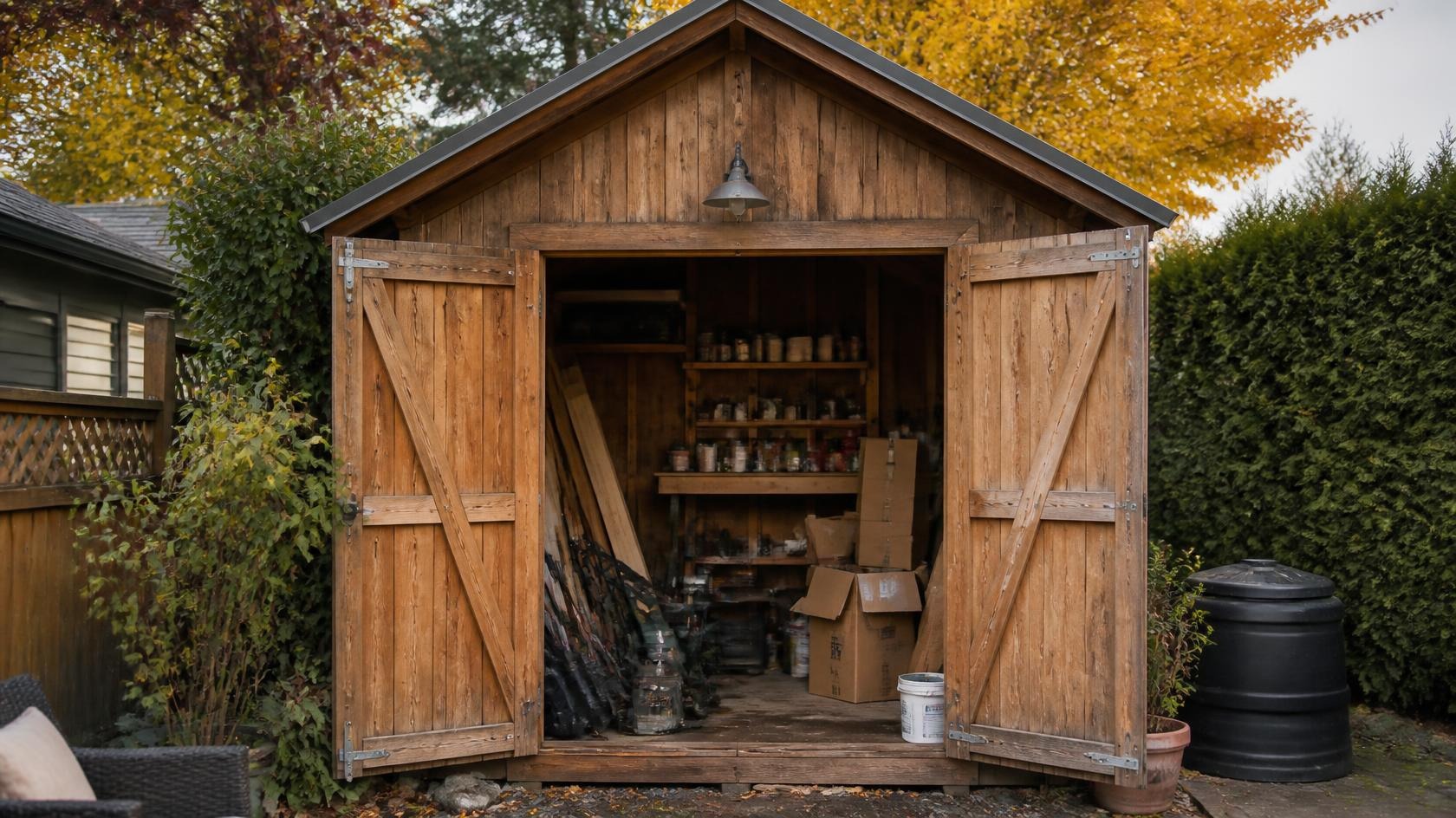
Clear the Shed Before the Rains: Fall Workshop & Garden Shed Cleanout in Metro Vancouver
If your garden shed, backyard workshop, or detached outbuilding has become the default dump zone for rusty tools, half-used paint, broken lawn gear, and leftover reno scraps, October is the window to clear it — before Metro Vancouver’s wet season turns that pile into a moldy, rusted mess. Sheds leak. Floors stay damp. Cardboard softens. Metal tools seize. Every week you wait, the doorway gets harder to open and the “we will deal with it later” stack grows.
This is not a pre-rain garage cleanout. That post is for the attached or at-grade garage where cardboard, paint cans, and failed appliances sit beside the car. It is also not patio furniture haul or yard green-waste pickup. This post is the detached shed / backyard workshop plan: sort what is leaving, stage a clean pickup near the gate, and reclaim the outbuilding before sustained rains lock everything in damp for the winter.
Why fall is the right time to clear a shed
Homes across Metro Vancouver and the Fraser Valley share the same backyard pattern every autumn: summer projects left half-finished in the shed, broken equipment never left for pickup, and “we will clear it before the rains” became the plan — until the first week of real wet weather.
Decide what is leaving the shed — then pick a dry afternoon to stage it for the truck.
What usually leaves a fall shed or workshop cleanout
Think outbuilding overflow: tools, scrap, leftover building materials, and seasonal gear that no longer earns its shelf.
Rusty tools, scrap metal, and broken gear
When metal dominates, book through scrap metal removal. Mixed household junk still fits residential junk removal or multiple items.
Leftover lumber, drywall scraps, and reno leftovers
This is storage leftover, not an active job-site wrap. For live construction hauls, see fall reno debris wrap-up. For leftover building materials already sitting in the shed, post-construction cleanup is often the right service page.
Paint cans, chemicals, and cardboard that will mold
Flag paint, solvents, and chemicals when you book — ask what can be included; do not assume every hazardous item rides with a general load. Soft cardboard and mixed rubbish often fit garbage disposal.
What this post is not about
Keep these stacks separate so the haul stays clean: pre-rain garage for attached/at-grade clutter; patio furniture for deck sets; yard green waste for leaf piles; and active job-site wrap via fall reno debris. Attic, basement, and storage-unit posts cover those spaces separately.
A few bags of leaves can ride with a shed haul when secondary. If the job is mostly green waste, book the yard-waste path instead. You can combine a garage haul and a shed haul when it helps — decide the primary job first.
Decision framework: keep, donate, recycle, or haul
Walk the shed once with four mental piles. Phone photos help for quotes — and for remembering what is still behind the door after you lock it.
1. Keep — only tools and materials with a labeled shelf and a real project this season. Unused for a year with no plan? It is not keep.
2. Donate — dry, complete, usable items a charity can still accept. Broken, rusty, or moldy gear usually fails donation standards.
3. Recycle — scrap metal, clean cardboard where accepted, and materials that can be diverted when the load allows.
4. Haul — seized tools, soaked boxes, failed equipment, leftover reno scraps, and mixed junk you will not sell.
If the keep pile fits on one clear shelf and the rest is junk, you are ready to book. Wet season does not make shed sorting easier.
Prep checklist for a shed / workshop pickup
Sheds are often at the back of the lot with gates, fences, and soft ground. A little prep keeps the truck turn short. For a general checklist, bookmark how to prepare for junk removal pickup; below is the shed version.
Before you request a quote
1. Photograph the open shed — wide shot plus doorway and heavy pieces (mowers, lumber stacks, shelving)
2. Note access — gate width, side-yard path, parking distance, stairs or ramps if any
3. List awkward items — lawn equipment, long lumber, metal racks, or anything that may need two people
4. Flag special materials — paint, solvents, chemicals, and unknown liquids out of the general stack; propane tanks or BBQs nearby — ask when you book; do not assume acceptance
5. Protect the path — clear a run from shed door to driveway or curb so you are not improvising on pickup day
Staging day
Pickup window
One item vs whole-shed clearout
Match the booking to the pile:
Quotes depend on load size, gate and path access, and how much must be brought out before loading. Pricing depends on the specifics of your shed — use Get a Free Quote instead of guessing from someone else’s list.
A practical fall countdown (before the rains settle)
You do not need a month-long project. Work from the first dry weekend you can meet a truck — or from the weekend before you want the shed usable again for winter storage that actually belongs there.
This week — decide the shed is getting thinner
Staging week — empty with intent
After pickup — keep the shed from refilling
Early October is still a workable window for dry staging. Once sustained rains settle in, every muddy shed trip costs more effort — and more rust.
Ready to clear the shed before the rains?
If the shed door opens onto rusty tools you will not use, leftover lumber and drywall scraps, half-used paint, broken lawn gear, or cardboard that will mold, finish the cleanout while Metro Vancouver still gives you a workable afternoon — then lock the outbuilding knowing winter damp is not soaking next year’s problem pile.
Get a Free Quote — or call (604) 358-2328.
Go Junk Go serves Metro Vancouver and the Fraser Valley with residential junk removal, scrap metal removal, post-construction cleanup, yard waste disposal, garbage disposal, furniture disposal, same-day junk removal when scheduling allows, and multiple-item pickup when your shed clearout is more than one piece. Email info@gojunkgo.ca if calling is harder.
Ready to Get Started?
Contact GoJunkGo today for professional junk removal services in Vancouver. We're here to make your cleanup easy and eco-friendly.
Get A Free QuoteRelated Articles
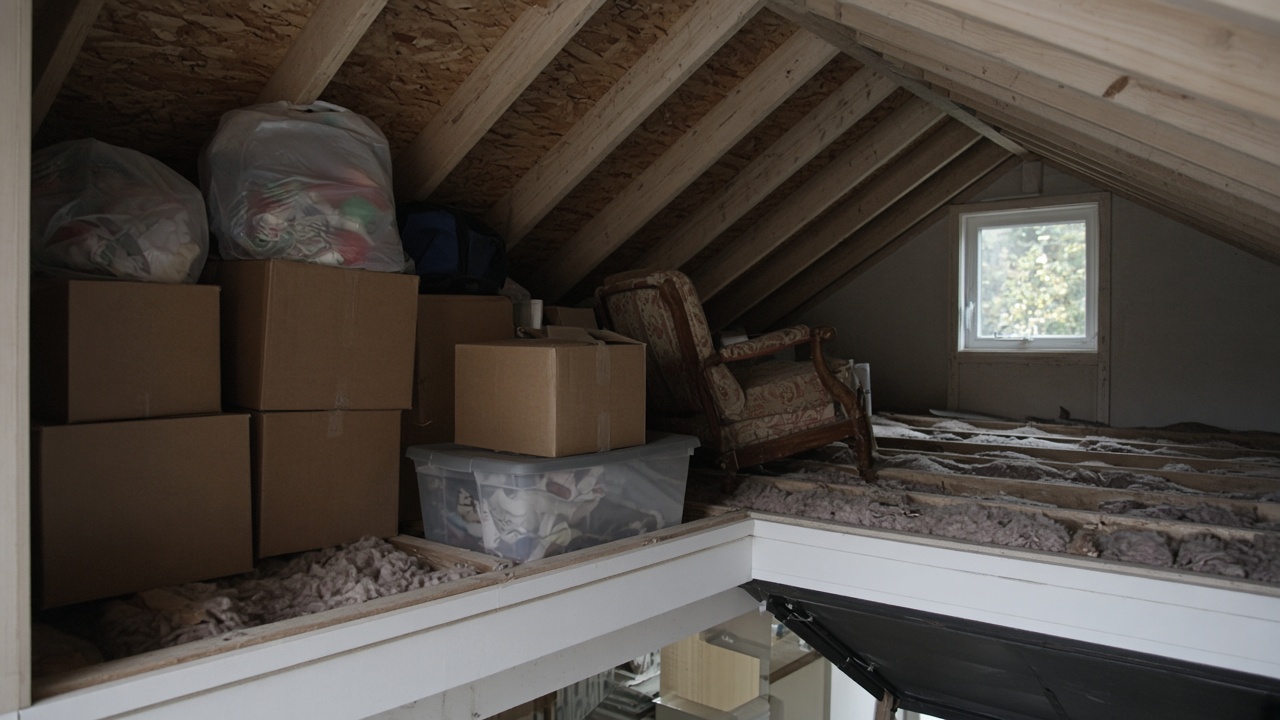
Clear the Attic Before the Rains: Fall Upstairs Storage Cleanout in Metro Vancouver
Packed attic or upstairs storage? Clear boxes, décor, and forgotten furniture before Metro Vancouver's wet season — before condensation and holiday clutter collide.
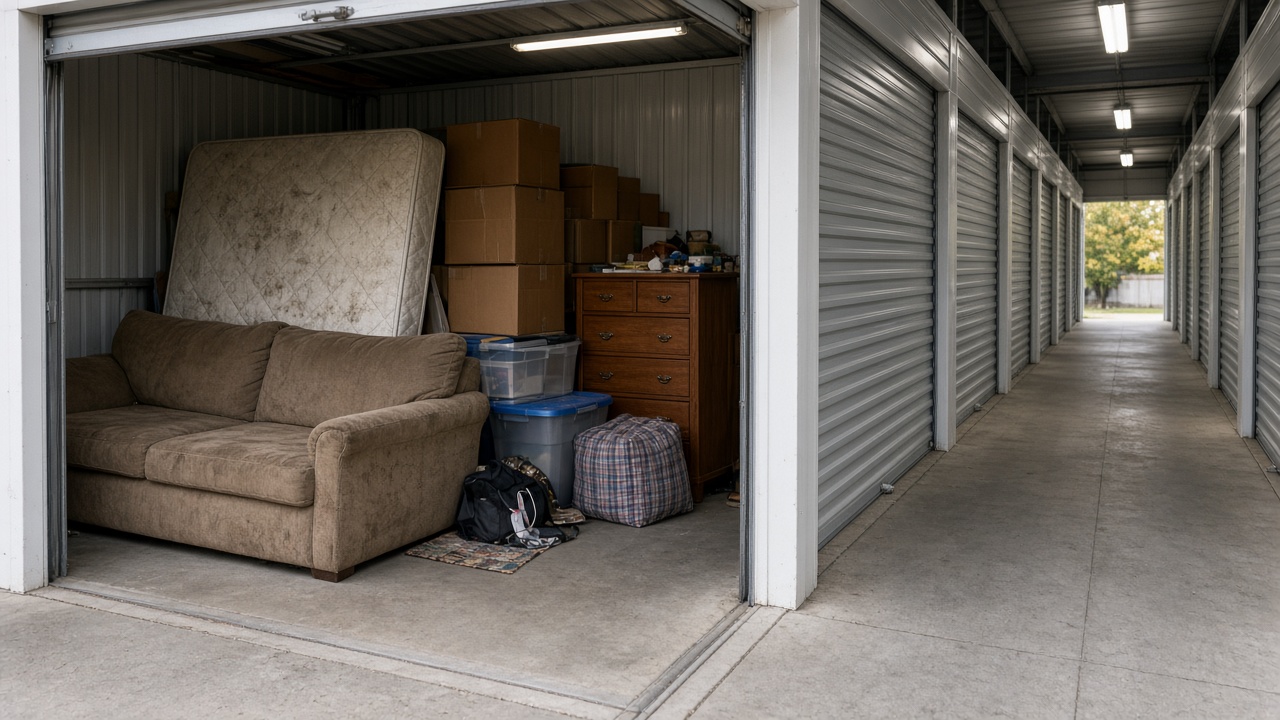
Still Paying for a Storage Unit This Fall? Clear It Before Metro Vancouver's Wet Season
Still paying for a packed storage locker this fall? Clear furniture, mattresses, and junk before Metro Vancouver's wet season — then cancel before winter rent.
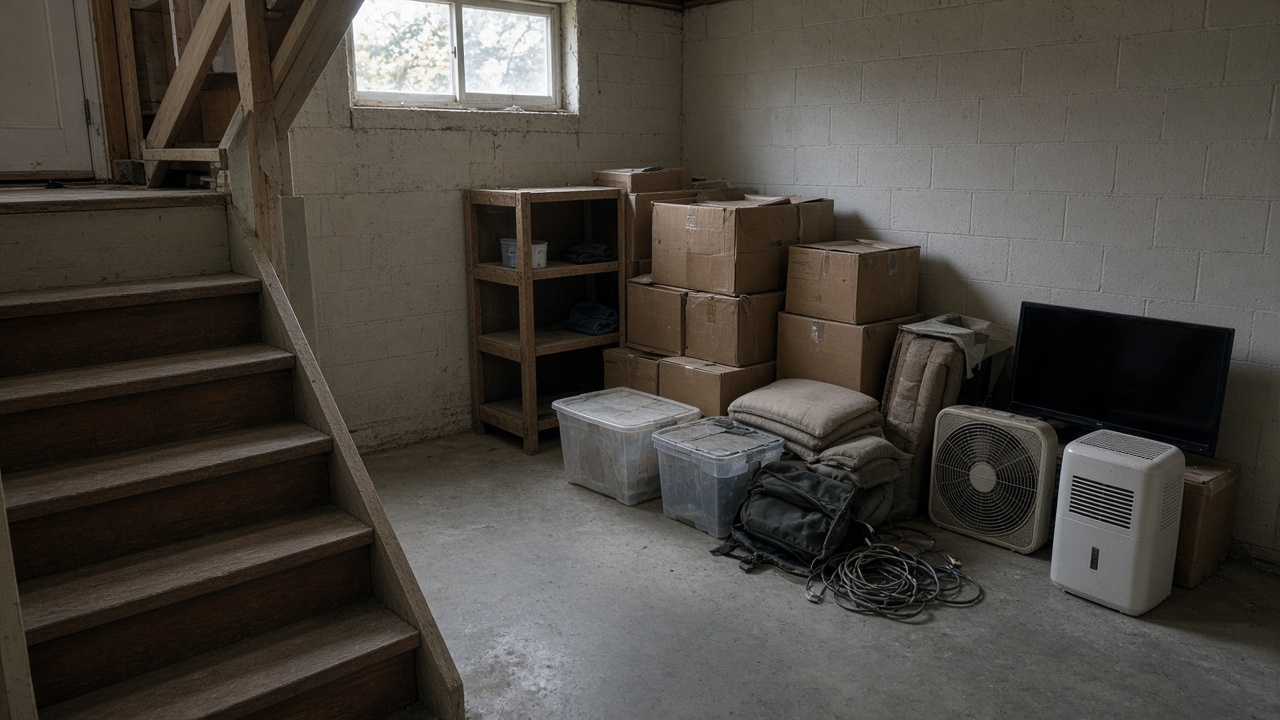
Pre-Rain Basement Cleanout: Clear Damp Boxes, Failed Storage, and Forgotten Junk Before Winter
Clear damp cardboard, failed storage, and forgotten basement junk before Metro Vancouver’s wet season. Pre-rain basement cleanout tips for staging and pickup.